

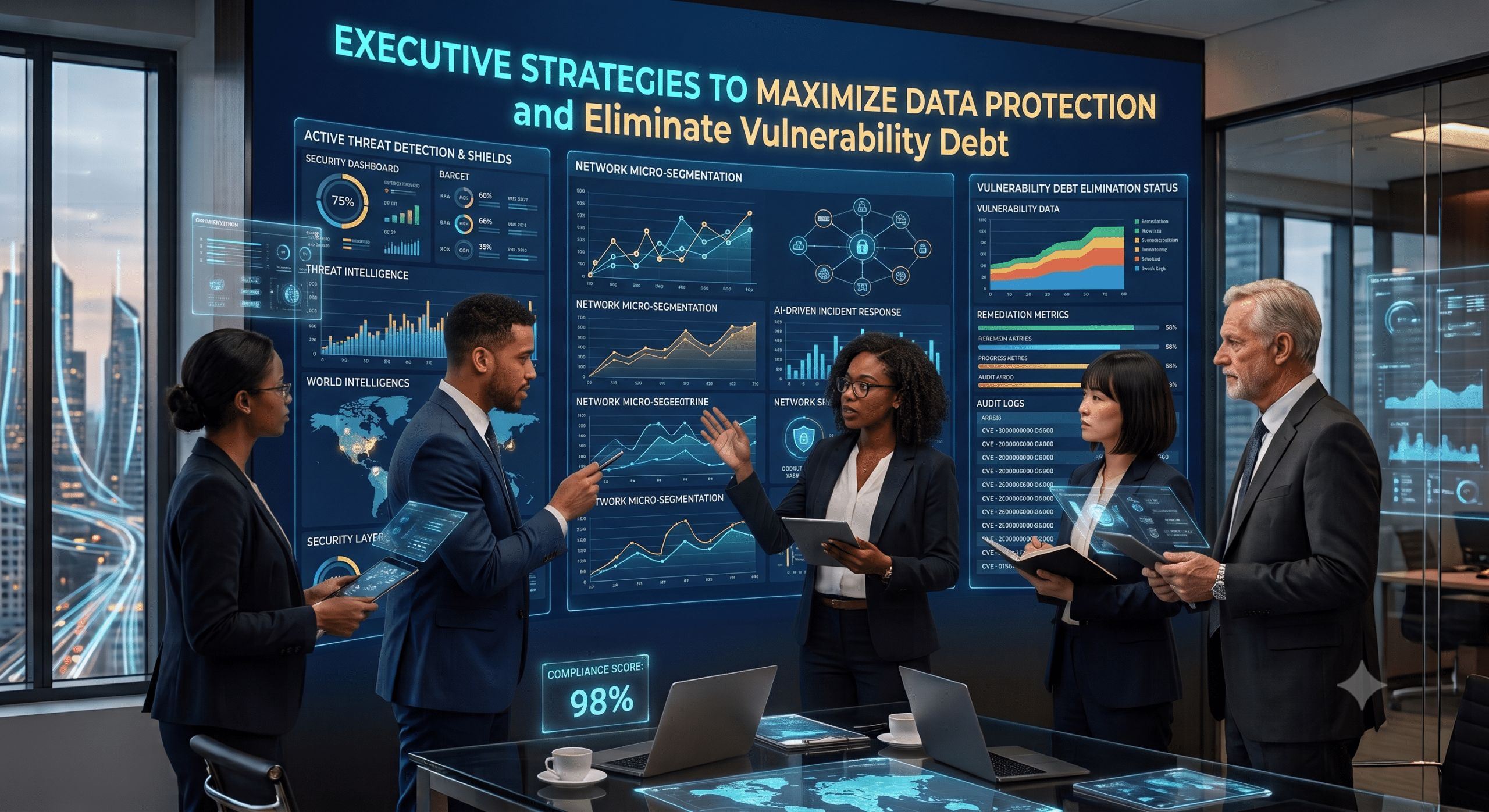
Let’s be completely honest with ourselves. The global digital risk landscape has shifted permanently. As a result, we aren’t just dealing with isolated perimeter defense problems anymore. Today, we face a high-volume, relentless production challenge.
Consequently, global cybercrime costs are rising globally, creating long-term demand for security content. In fact, the total economic drain has surged past the historic ten trillion dollar mark. Therefore, our organizations face an unprecedented barrage of adversarial pressure every day.
Changing the CISO Paradigm
As a CISO, I can tell you that a traditional, purely technical lens just doesn’t cut it anymore. After all, security isn’t some obscure technical silo tucked away in the basement. Instead, it is the core production line where our teams process, analyze, and defend data.
The Manufacturing Mandate
When you look at the modern enterprise, our fundamental mandates look exactly like a sophisticated manufacturing facility. First, we have to maximize our operational throughput of safe digital transactions. Second, we must drastically reduce the cycle time required to find and fix systematic vulnerabilities. Finally, we need to aggressively drive down the scrap rate of compromised or misconfigured assets.
Establishing Structural Efficiency
Ultimately, this operations-focused paradigm completely transforms how an enterprise builds its defense posture. It converts raw information security from an unpredictable cost center into a highly optimized machine. For example, engineers design this machine specifically around structural efficiency and resilient data protection.
1. Streamlining the Security Intake Funnel
Maximizing operational throughput begins right at the front of our production line. Specifically, our security intake funnel serves as this entry point. In a traditional corporate structure, teams treat every security alert like a unique event. However, this habit creates immediate bottlenecks and completely paralyzes the response apparatus.
Removing Friction through Automated Ingestion
To achieve authentic high throughput, we have to construct standardized digital pathways. These pathways automatically categorize, prioritize, and route incoming telemetry without human intervention. Naturally, this optimization removes the friction of initial triaging completely. It allows our highly skilled analysts to focus their energy entirely on genuine operational anomalies. Consequently, they no longer waste time on administrative filtering.
Creating Actionable Insights
By standardizing this ingestion mechanism, the enterprise can process thousands of data points every hour. Thus, this velocity ensures that operational noise never buries legitimate indicators of compromise. The security architecture functions effectively like a high-volume manufacturing plant. In short, automation instantly transforms raw inputs into actionable insights. This continuous velocity is the foundation of a modern program. Furthermore, it directly influences our ability to maintain robust data protection across complex cloud environments and sprawling legacy infrastructure.
2. Eradicating the Hidden Factory of Vulnerability Debt
In manufacturing engineering, the term “hidden factory” refers to undocumented, parallel infrastructure. This infrastructure focuses entirely on fixing defects that should have never occurred in the first place. Within our digital ecosystems, this hidden factory manifests as an endless loop. For instance, teams constantly patch, retrofit, and fix software and network architectures. They originally deployed these systems without foundational controls.
The High Cost of Patching Flaws
When we allow insecure configurations to enter our active production environment, we systematically increase our scrap rate. As a result, we must eventually pull these flawed assets offline, rebuild them, or modify them heavily.
Standardizing Preventative Controls
To eliminate this operational waste, the technical organization must change its approach completely. For example, we must embed deterministic automated testing and policy checks directly into the continuous integration and deployment pipeline. We must verify security controls before any piece of code or infrastructure goes live. Consequently, this validation ensures that the factory only produces secure assets from the very beginning. This preventative operational model allows the enterprise to focus its engineering resources on strategic innovation. Therefore, we stop wasting hundreds of hours on reactive remediation loops.
3. Shifting Left to Compress Engineering Cycle Time
The duration of time between introducing a systematic vulnerability and its ultimate remediation is critical. In fact, it is one of our most important operational metrics. When a flaw appears late in the development cycle, the resolution time expands exponentially. The situation worsens if the asset has already entered active production.
Avoiding Extreme Timeline Slippage
Engineers must halt their current projects and context-switch back to older environments. Meanwhile, they have to diagnose the root cause under immense pressure. Then, they must deploy emergency updates that risk breaking neighboring systems.
[Design & Code] ---> [Automated Security Scans] ---> [Production Deployment]
       ^                           |                          |
       |____ (Fast Cycle Time) ____|                          v
       |                                              [Incident Response]
       |_______________________ (Slow Cycle Time) ____________|
Embedding Fast Developer Feedback Loops
By aggressively shifting our validation mechanisms left, we compress this cycle time dramatically. Specifically, we move the timeline from weeks to mere minutes by testing during the earliest phases of design. Automated static analysis and immediate feedback loops integrate directly into the developer workflow. Indeed, this integration allows engineering teams to identify and resolve data protection issues as they type. This rapid feedback loop guarantees that applications pass through rigorous quality thresholds before production. Ultimately, the business maintains its operational momentum safely.
4. Standardizing the Digital Bill of Materials
Every product built in a physical factory relies on a strict bill of materials. This document accounts for every nut, bolt, and raw ingredient used in the construction process. Yet, the software domain frequently operates without this discipline. Organizations regularly run applications comprised of thousands of third-party open-source libraries. However, they rarely maintain a real-time inventory of those components. This visibility gap creates an unstable environment. For example, a single vulnerability in a deeply nested dependency can compromise enterprise-wide data protection overnight.
Building Software Asset Transparency
Establishing a comprehensive, automated software bill of materials provides full visibility into our digital supply chain. This inventory functions as a dynamic registry. Additionally, it allows the security infrastructure to instantly map newly disclosed global vulnerabilities against our active software inventory.
Accelerating Emergency Discovery
During an emergency, we no longer launch frantic, manual code reviews across dozens of engineering squads. Instead, we can locate and isolate affected assets within seconds. Clearly, this operational precision minimizes the blast radius of external software defects. It also preserves enterprise throughput during global supply chain disruptions.
5. Implementing Zero Trust to Reduce Asset Scrap Rate
When an adversary breaches a traditional network, they exploit flat internal environments. Then, they move laterally with ease to access sensitive file shares and core databases. In operational terms, this structural flaw is dangerous. For instance, a single defect in an edge firewall can result in the scrap of our entire corporate network fabric. To mitigate this systemic risk, the modern enterprise must adopt a zero-trust architecture. This model treats every network segment, device, and user identity as potentially hostile.
Securing the Digital Cleanroom
Data protection under a zero-trust model relies on continuous cryptographic verification. Moreover, it requires micro-segmentation and strict adherence to the principle of least privilege. We must isolate applications and data repositories into distinct, independent cleanrooms.
Containing Network Lateral Movement
This isolation ensures that a compromise in one sector cannot spread to another. If an attacker subverts a single employee credential or endpoint, our controls strictly contain the damage. As a result, the impact stays within that micro-segment, keeping the broader organizational machine running smoothly without interruption.
6. Automating Incident Response for Machine-Speed Remediation
Human operators cannot compete with the operational velocity of automated cyberattacks. Modern threats exploit system vulnerabilities at machine speed. Relying on manual workflows, phone calls, and emergency meetings to contain an active breach inflates our cycle time. Furthermore, it gives adversaries wide windows of opportunity to exfiltrate proprietary data. To achieve true operational resilience, we must replace manual investigative procedures completely. Instead, we need automated security orchestration and active playbooks.
Running Containment Protocols Silently
When our platforms detect anomalous behavior or unauthorized data exfiltration, they must respond instantly. For example, our security systems must automatically isolate the affected workloads. They need to revoke compromised credentials and spin up clean backup instances immediately.
Reducing Incident Windows to Milliseconds
This automated response capability drops our containment cycle time from hours to milliseconds. Thus, it keeps data protection intact before an attacker can cause widespread harm. Human analysts can then shift their focus from high-stress firefighting to thorough root-cause investigations. Ultimately, this shift hardens our operational line against future disruptions.
7. Treating Employee Awareness as a Line Precision Metric
Many leaders mischaracterize the human surface of an organization as an unfixable security liability. In an operational framework, however, human error is simply a metric of line variance. A physical factory trains its technicians to handle dangerous machinery with perfect precision. Similarly, a digital enterprise must equip its workforce to handle sensitive data safely. Random, punitive phishing tests do little to build long-term defense capabilities. Instead, we require contextual, real-time micro-learning that integrates directly into daily employee workflows.
Delivering Micro-Learning Just In Time
When a team member attempts to share a sensitive document via an unencrypted public cloud link, our systems must intervene. Specifically, the data protection tools should instantly block the action and provide immediate, friendly guidance on secure alternatives. This real-time feedback loop transforms abstract security concepts into practical, everyday habits.
Designing the Human Firewall
Consequently, we drastically reduce the operational error rate. Over time, this continuous behavioral conditioning creates a human firewall. For example, employees actively identify and reject sophisticated engineering attacks, turning a potential vulnerability into a highly resilient line of defense.
8. Synchronizing Security Controls with Multi-Cloud Operations
Modern enterprises rarely operate within a single, neat cloud environment. Instead, they manage fragmented architectures across multiple public, private, and hybrid platforms. This multi-cloud complexity introduces severe operational friction. For instance, security teams must manage disparate control panels, logging formats, and policy engines. These disjointed systems increase the likelihood of misconfigurations. Therefore, they directly drive up our operational scrap rate through avoidable compliance violations and data exposures.
Normalizing Fragmented Multi-Cloud Policies
To restore high throughput across these diverse ecosystems, we must change our infrastructure management. Specifically, we need to implement a unified data security posture management platform. This software normalizes policy enforcement across all cloud providers.
Unifying the Governance Registry
We can deploy identical controls across every environment automatically by defining our data protection rules in a single, centralized policy repository. This operational synchronization ensures that all databases adhere to the exact same governance standards. Thus, it eliminates security gaps born from infrastructure silos, whether we host a database on-premise or in a public cloud.
9. Leveraging Advanced Analytics to Predict Asset Degradation
In heavy manufacturing, predictive maintenance algorithms analyze sensor data continuously. They forecast exactly when a physical component will fail. This data allows operators to replace the part before it breaks the entire assembly line. Similarly, we can apply this exact same predictive philosophy to digital risk management.
Establishing Behavioral Baselines
We achieve this by leveraging advanced behavioral analytics to monitor our enterprise data footprint. By establishing baseline models of normal user activity, our platforms spot early indicators of risk long before a full-scale breach occurs.
Intervening Before Data Exfiltration
For instance, an account might suddenly attempt to download thousands of proprietary files outside of normal working hours. Our systems can instantly flag this as a critical variance from standard operational tolerances. This early warning mechanism allows the security team to intervene proactively. For example, we can lock down the account and verify the user’s intent before any data exfiltration takes place. Moving from a reactive stance to a predictive model allows us to protect our core digital assets. Most importantly, we do it without interrupting standard business operations.
10. Optimizing Cryptographic Life Cycles for Continuous Throughput
Data encryption is a fundamental requirement for modern data protection. Yet, poorly implemented cryptographic processes can introduce significant operational friction. Organizations often rotate cryptographic keys manually, or slow encryption algorithms degrade processing performance.
Eliminating Developer Speed Bumps
When this happens, the overall throughput of our business applications drops. This slowdown tempts engineering teams to bypass security controls altogether. Managing cryptography efficiently requires an automated lifecycle approach that balances deep security with high operational velocity.
Scaling Transparent Hardware Accelerated Encryption
By deploying centralized, hardware-accelerated key management solutions, we can handle encryption and key rotation transparently. The processes run behind the scenes without degrading application performance. This automated management ensures that data remains fully encrypted both at rest and in transit across all enterprise systems. Consequently, it satisfies complex regulatory compliance frameworks and removes manual overhead entirely. When encryption operates seamlessly and performantly, engineering teams readily embrace it. This alignment eliminates the operational trade-offs between system speed and data security.
11. Refining Identity and Access Governance Processes
Identity has become the primary operational perimeter for the modern enterprise. This shift makes robust identity governance essential for minimizing data risk. When teams provision access rights manually through disconnected ticketing systems, employees face long delays. As a result, they cannot access the tools they need to do their jobs efficiently. Furthermore, as workers move between roles within the organization, they frequently accumulate excessive, unneeded permissions. This permission creep systematically treats our data assets with careless risk.
[HR System Trigger: New Hire/Role Change]
                 |
                 v
[Automated Identity Lifecycle Engine]
                 |
                 +---> Grants Role-Based Permissions (Maximizes Throughput)
                 |
                 +---> Revokes Legacy Permissions (Minimizes Scrap/Risk)
                 |
                 v
[Continuous Identity Attestation] ---> (Compresses Audit Cycle Time)
Linking Security to the HR Log
To optimize this process, organizations should deploy automated identity lifecycle engines. These systems connect directly to core human resource platforms. When an employee joins the company or changes roles, their access permissions adjust automatically based on strict, pre-defined templates.
Stripping Excess Privilege Creep
This automated provisioning maximizes operational throughput by giving staff immediate access to necessary resources. Meanwhile, automated de-provisioning ensures that the system revokes unnecessary access instantly. Therefore, this continuous alignment keeps our data protection posture tight without creating administrative roadblocks for our workforce.
12. Establishing Operational Security Metrics for C-Suite Governance
The ultimate success of a digital risk management strategy depends heavily on communication. We must clearly explain security performance to senior leadership and the board of directors. Presenting non-technical business leaders with dense, highly technical vulnerability counts or firewall logs fails entirely. It does not provide meaningful context for strategic decision-making. Instead, our risk reporting must translate directly into core operational metrics. These metrics must reflect the overall health and resilience of the business.
Translation of Security to Business Health
By reframing our executive dashboard around throughput metrics, incident cycle times, and asset scrap rates, we align our security goals directly with general business performance. Directors can easily see how targeted investments in automated compliance checks or identity systems directly reduce operational downtime. They see how these tools protect company valuations.
Winning the Executive Boardroom
This shared operational language fosters meaningful collaboration across the executive team. Ultimately, it ensures that data protection remains a well-funded, foundational priority that drives sustainable organizational growth.
Frequently Asked Questions
What is the operational definition of “scrap rate” in modern cybersecurity?
In a digital risk framework, the scrap rate refers to the percentage of technology assets, code deployments, or data configurations that fail to meet baseline security standards. Therefore, we must take these items offline, rebuild them, or remediate them heavily. High scrap rates indicate systemic inefficiencies in the production pipeline, signaling that teams are applying security controls too late in the lifecycle.
How does a zero-trust model improve overall business throughput?
While zero-trust introduces continuous authentication checks, it eliminates the massive, unpredictable business disruptions that lateral threat movements cause. By isolating breaches to micro-segments, it ensures that the vast majority of organizational systems continue to operate at peak capacity during an incident, thereby maximizing total operational throughput.
Why should executives treat data protection as an operational discipline rather than an IT task?
Treating security as an IT task leads to siloed, reactive firefighting that regularly compromises business agility. Conversely, reframing data protection as a core operational discipline allows organizations to apply proven manufacturing methodologies, such as lifecycle automation and statistical quality controls, ensuring that security actively supports high-volume digital production.
What is the most effective way to compress the cycle time of vulnerability remediation?
The most reliable method is to shift validation mechanisms left by integrating automated security scanning directly into the software development pipeline. Providing engineers with instant, actionable feedback as they design and build systems allows them to correct defects before they ever reach production, reducing remediation cycles from weeks to minutes.
How do automated incident response workflows safeguard data protection?
Automated playbooks isolate compromised hosts, revoke hijacked credentials, and contain network threats at machine speed. This immediate containment prevents attackers from accessing or exfiltrating sensitive corporate information, keeping data secure even when security teams are navigating complex, fast-moving incidents.
References for Further Reading
- Dark Reading – Beyond Assume-Breach: How AI-Native Security Will Reshape Enterprise Defense
Learn how AI-driven security, zero trust, and hyper-segmented architectures are changing enterprise defense strategies against modern cyber threats. - Spirion – Not All DSPM Solutions Are Created Equal
Explore best practices for protecting structured and unstructured data across cloud environments, along with practical guidance for evaluating modern Data Security Posture Management (DSPM) solutions. - SANS Institute – Threat Analysis Rundown: Identity, Geopolitics, and a Passing of the Torch
Gain expert insights into identity-based attacks, geopolitical cyber risks, and current threat intelligence trends shaping executive cybersecurity strategies.