

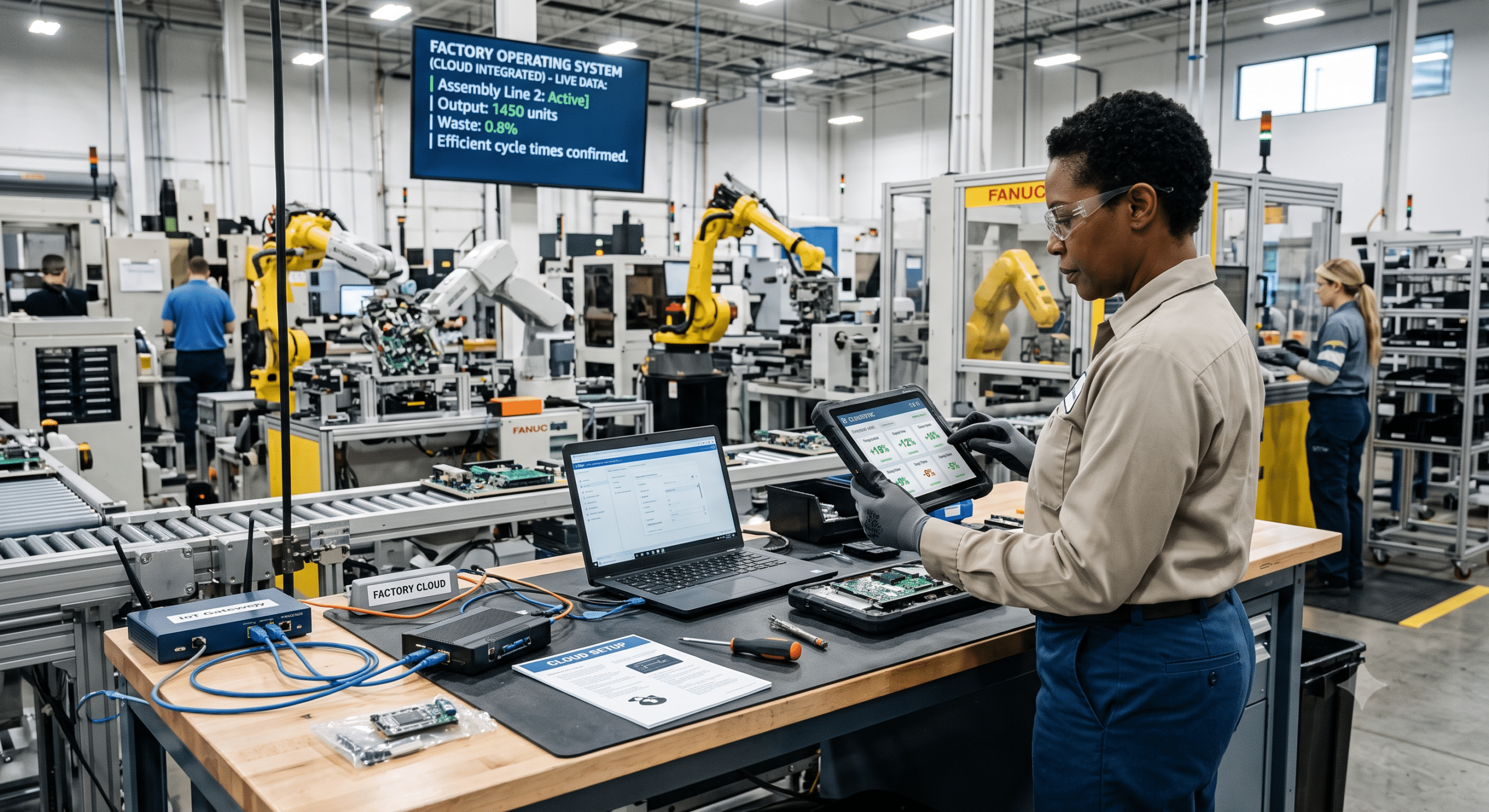
Running a modern factory isn’t just about the heavy machinery on the shop floor anymore; instead, a successful cloud migration is now the real secret to beating the competition. Today, operational success lies in how well your physical machines talk to your digital systems. For decades, factories relied on isolated, old-school computers and local servers located right inside the building. While those setups worked fine for a long time, they unfortunately kept critical data trapped in separate corners of the plant. Consequently, this isolation made it very hard for managers to see the big picture.
Fortunately, executing a strategic cloud migration changes everything completely. Today’s smart factories use cloud systems to connect the dots between the front office and the production line. By organizing your data and making it easy to access, you can quickly spot delays, speed up production, and stop wasting expensive raw materials. Therefore, let’s look at eight practical ways to upgrade your technology setup to make your factory floors run faster and smoother than ever.
The Big Switch: Moving Away from Old Local Servers
Old, local computer servers create major roadblocks for growing businesses. For example, when your machine data is trapped in separate local databases, managers cannot easily see how different production lines are performing in real time. As a result, you cannot easily compare facilities, find out why a specific line is lagging, or predict when a machine is about to break down. Even worse, old office servers are notoriously slow. Thus, running basic inventory or production reports can take hours, causing massive administrative delays.
+---------------------------------------------------------------------------------+
|                        HOW MODERN CLOUD NETWORKS WORK                           |
+---------------------------------------------------------------------------------+
|                                                                                 |
|   [ Floor Sensors & Equipment ] ----( Fast Digital Network )----+               |
|                |                                                |               |
|      (Instant Local Alerts)                              (Massive Storage)      |
|                v                                                v               |
|   [ On-Site Smart Boxes ]                         [ Central Cloud Hub ]         |
|   * Fixes machine errors instantly                * Tracks global trends        |
|   * Keeps lines moving smoothly                   * Coordinates all plants      |
|                                                                                 |
+---------------------------------------------------------------------------------+
Thankfully, moving these systems to the cloud fixes these issues entirely. However, updating your setup does not mean simply copying old files to a new digital folder. Instead, it means completely redesigning how your business operates through a comprehensive cloud migration. Ultimately, this operational upgrade connects your shop floor equipment directly to your central corporate network. As a result, every machine, sensor, and employee device can share information instantly using a single, clear format.
8 Practical Cloud Strategies for a Faster Factory Floor
1. Use Local Smart Boxes to Keep Machines Running at Top Speed
To get the most products out of your lines every single day, your machines need to make decisions instantly. Therefore, by placing small, smart computing boxes right next to your equipment on the factory floor, you can read machine data without any lag time. Specifically, the local boxes handle the immediate, split-second adjustments to keep the line moving fast, while the central cloud stores the history for long-term planning.
2. Set Up Fast Digital Pipelines to Speed Up Production
When different machines speak different digital languages, your communication crawls to a halt. To fix this, initiating an enterprise cloud migration to use a single, high-speed data pipeline brings all your machine updates together into one clean stream. Subsequently, this allows supervisors to track the exact location of every single part as it moves down the line. In turn, this unified visibility removes shipping pauses and shortens your total production time.
3. Use Smart AI Scanners to Stop Mistakes Before They Happen
Traditional quality checks typically happen at the very end of the line. Consequently, this means you only find a mistake after you have already ruined a whole batch of products. By contrast, linking modern cameras and smart cloud software directly to your assembly lines lets you scan items while they are being built. So, if a tool starts to wear out or a part looks slightly off, the system alerts the team immediately. This quick warning allows them to fix the issue before creating costly trash.
4. Connect Sensors Directly to Machines for Self-Fixing Lines
Linking your factory floor sensors to a smart cloud database lets you create self-correcting assembly lines. Indeed, these systems constantly watch everyday factory conditions like temperature, humidity, and minor changes in raw materials. Then, the software automatically sends tiny calibration updates back to the machines. This continuous feedback keeps your product quality steady and prevents unexpected shutdowns.
5. Predict Maintenance Needs Early to Avoid Sudden Breakdowns
When a major machine breaks down out of nowhere, it ruins your schedule and halts your entire operation. However, cloud systems can constantly monitor machine vibrations, motor heat, and electrical use to predict when a part is getting worn out. By forecasting these issues weeks in advance, your repair teams can swap out old parts during normal, scheduled breaks rather than dealing with stressful, emergency stops.
6. Use Fast Cloud Databases for Quick Inventory Decisions
Running complex inventory and scheduling calculations on old office computers often takes hours. Unfortunately, this lag forces managers to make decisions using outdated information. On the other hand, a successful cloud migration moves these calculations to fast, modern cloud databases that cut that processing time down to minutes. Thus, your scheduling team gets an instant look at current stock levels and incoming shipments, allowing them to adjust the day’s plan on the fly.
7. Create Standard Digital Guardrails to Keep Data Secure
Building a successful cloud network requires strong security and clear rules across every single facility you own. For this reason, by using automated, pre-built security setups during your cloud migration, you ensure that every plant uses the exact same passwords, firewalls, and data protection rules. In conclusion, this strict digital framework protects your secret blueprints and keeps your critical business systems safe from cyber threats.
8. Teach Your Team to Use Digital Tools Effectively
The most advanced cloud system in the world won’t help your business if your floor workers don’t know how to use it. Therefore, companies need to provide simple, straightforward digital dashboards and clear training modules for their staff. Mainly, giving your frontline operators easy-to-read screens helps them make smart, fast decisions. As a result, this clear visibility cuts down on daily mistakes and keeps production numbers high.
Performance Chart: How the Cloud Helps the Factory Floor
Tracking the success of your cloud migration requires looking at real factory numbers, not confusing IT jargon. Indeed, the true value of this technology shows up clearly in your daily production reports and your bottom line.
| What You Change | The Main Goal | How the Technology Works | The Real-World Result |
| Local Smart Boxes | Increase Total Output | Processes data right at the machine | More products built because machines never sit idle |
| Fast Data Pipelines | Shorten Production Time | Gathers all machine updates instantly | Faster part movement and no communication delays |
| Smart AI Scanners | Reduce Wasted Material | Flags manufacturing defects immediately | Less scrap metal or ruined plastic sent to the trash |
Boosting Your Daily Output with Flexible Systems
You reach peak factory output when your assembly lines run smoothly without facing random technical glitches or sudden computer crashes. Unfortunately, old, local computers frequently crash when they try to balance multiple machine schedules, track energy use, and manage parts all at the same time. Because of these tech limitations, managers often run their lines slower than necessary just to be safe.
However, moving your operations to a flexible cloud system removes those computer limitations completely. For example, the cloud easily processes thousands of data points at the exact same moment, updating your schedules automatically as the workday changes. Furthermore, if a machine slows down on one line, the cloud software instantly reroutes components to other open stations. This rapid adjustment prevents backups and keeps your total output as high as possible.
Saving Time by Connecting Your Whole Operation
Production time is the total number of hours it takes to turn raw materials into finished goods ready for customers. In older factories, teams waste a lot of time on simple paperwork. Specifically, they lose time waiting around for manual quality sign-offs, searching for missing parts in the warehouse, or adjusting machine dials by hand. Consequently, these small delays add up quickly, slowing down your business and making it hard to fill customer orders on time.
+---------------------------------------------------------------------------------+
|                        SAVING TIME ON THE FACTORY FLOOR                         |
+---------------------------------------------------------------------------------+
|                                                                                 |
|   [ Old Way ]  Manual Paperwork -> Lost Parts -> Slow Setups = Hours Wasted     |
|                                                                                 |
|   [ New Way ]  Instant Digital Approvals -> Auto Track -> Fast Starts = Done    |
|                                                                                 |
+---------------------------------------------------------------------------------+
Fortunately, modern cloud migration projects erase these delays by sharing information across your entire business instantly. For instance, the moment a customer places an order online, the cloud system can automatically check inventory. Then, it updates the factory schedule and sends the exact building instructions straight to the digital screens on the assembly line. Thus, connecting your office data directly to your shop floor equipment eliminates teamwork delays and gets products out the door much faster.
Cutting Down on Waste with Clearer Data
Wasting raw materials is an expensive mistake that eats into your profits. Moreover, it wastes valuable machine time and hurts your company’s efficiency goals. Most factory waste happens because of hidden changes in the production process. For example, a machine head might get slightly loose, a heater could run too hot, or a small defect in a batch of metal might go unnoticed. Without clear data, finding and fixing these tiny issues is slow and difficult.
Instead, completing a targeted cloud migration turns quality control into an easy, proactive habit. By sending live sensor updates from every single step of your line into a central cloud dashboard, you can spot the root cause of defects right away. Specifically, the software shows you exactly how machine temperatures and line speeds affect the final product. Then, workers receive automatic alerts the second a machine starts drifting out of its safe zone. This immediate alert allows them to make quick fixes, maintain top-notch quality, and protect your expensive raw materials.
Frequently Asked Questions
How does moving to the cloud reduce factory waste and scrap material?
The cloud allows factories to collect and study live data from machine sensors as products are being built. By analyzing this information instantly, the system flags small alignment errors or temperature spikes right away. Consequently, this rapid warning allows technicians to adjust the machinery before parts get ruined, saving raw materials and preventing costly junk.
Will moving our systems to the cloud slow down our physical machines?
No, because smart networks use a balanced setup. Specifically, time-sensitive decisions and immediate machine movements are handled by small, local smart boxes placed right next to the equipment. Meanwhile, large tasks like long-term data storage, monthly reports, and supply chain tracking happen in the central cloud. Therefore, this split ensures your factory floor never experiences digital lag.
What is the biggest challenge when connecting old machinery to the cloud?
The main issue is that older factory equipment speaks in old, outdated computer languages. To fix this, teams install simple digital translation boxes onto the old machines. These boxes gather the old machine signals and translate them into clean, modern formats. Once converted, your cloud network can easily understand the data.
How does a cloud upgrade make life easier for regular factory workers?
A cloud upgrade replaces messy clipboards and manual tracking sheets with clean, simple digital screens. As a result, frontline workers get a clear view of how their line is running, quick warnings before a machine breaks, and easy, step-by-step digital instructions. Ultimately, this change keeps the daily job straightforward, prevents human error, and helps new employees learn the ropes quickly.
Further Reading
-
For a detailed look at how to organize your business applications and choose the right digital setup, read Cloudflight’s Blueprint for Cloud Migration Strategies.
-
To learn more about picking the best method for moving your workloads and managing corporate tech updates, review NetApp’s Detailed Breakdown of the 7 Rs of Cloud Migration.
-
For a practical look at tracking project timelines, protecting corporate information, and managing data at scale, check out Tkxel’s Industrial Cloud Migration and Enterprise Planning Framework.